




IN this very column back in March, I suggested it was worth watching out for cracks appearing in the US-Israel alliance over the wars in Iran and Lebanon.
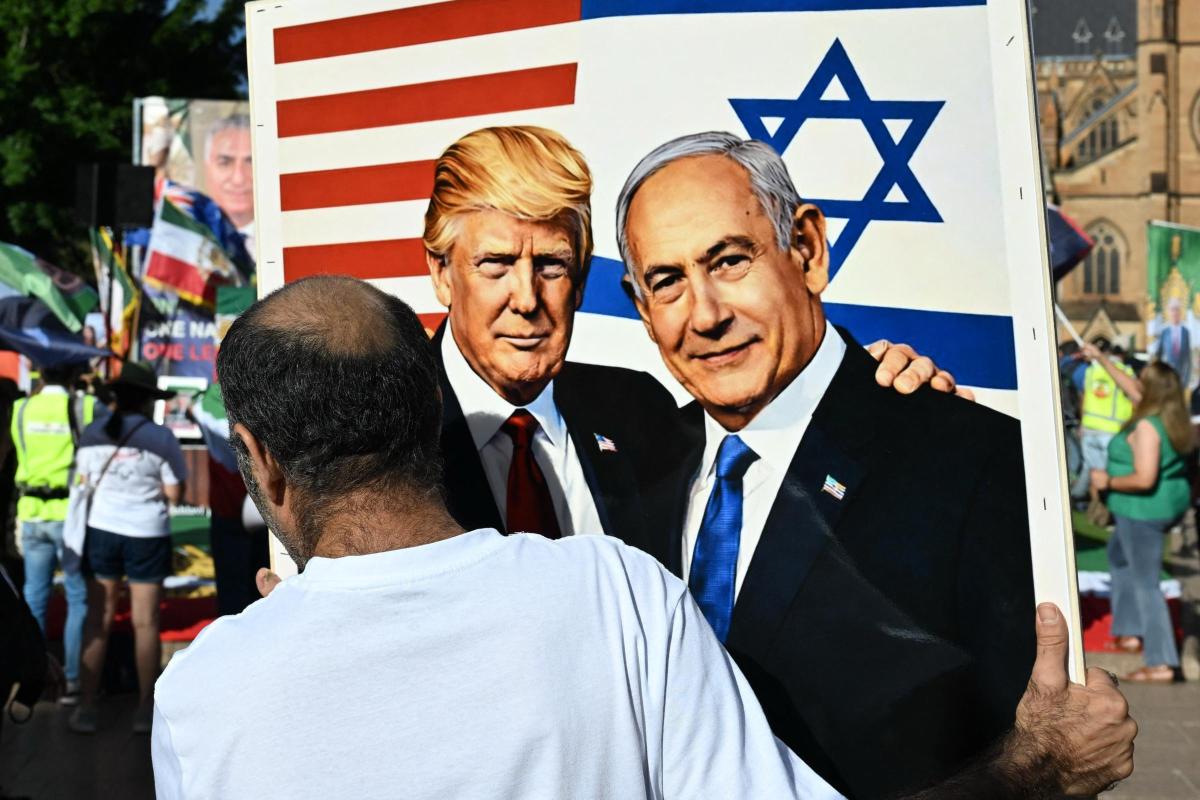
Perhaps it comes as no surprise then that this week, Donald Trump acknowledged reports that he had called Israeli prime minister Benjamin Netanyahu “fucking crazy” in a heated telephone call these past few days.
At the core of the angry exchange, it would seem, was the fact that Trump was “a little bit perturbed” over ongoing Israeli operations in Lebanon.
Israel of course insists that its military campaign there is all about targeting Hezbollah, and while partly true, the reality is that it’s simply a rerun of Israel’s scorched-earth and ethnic cleansing policy that began and continues in Gaza.
READ MORE: Campaign aiming to boost ties between Scotland, France and Germany launches
Not that this remotely bothers Trump. Instead, it’s the fact that Netanyahu has quickly become an obstacle in Trump’s attempt to get a “deal” with Iran that led to the verbal fireworks. That much was summed up by the Israeli journalist, Amos Harel, in the country’s daily newspaper Haaretz yesterday.
“Iran threatened, America panicked and Israel caved in.
That, in a nutshell, is the recent chain of events in the ongoing war against Hezbollah in Lebanon,” Harel opined.
Personally, I don’t buy that entirely. Yes, America, as Israel’s biggest ally, can call the shots when it wants, but of late, evidence suggests that it was Netanyahu who has been manipulating Trump, not the reverse.
As I’ve said before, and I’ll repeat it again based on my years of living and working in the region, Israel invariably goes its own way and the US and the world be damned. Never more so than under Netanyahu’s extremist ultra- nationalist government right now.
But just as the world, albeit slowly, has woken up to the toxic nature of Netanyahu’s government, so it also recognises that contrary to Trump’s claims, dealmaking – of any kind – is certainly not the US president’s forte.

Compounding Trump’s shortcomings in this capacity is the fact that Netanyahu has gone initially – in Trump’s eyes – from being part of the “solution” in dealing with Iran, to the reason the US now finds itself in a geopolitical straitjacket over any peace deal.
For what it’s worth, Trump and Netanyahu have had a strained relationship in the past, and admittedly those tensions are now being exacerbated as both men find themselves under increasing political pressure at home.
But before I or anyone else start proclaiming that the end of the Trump-Netanyahu relationship is nigh, let’s pause and juxtapose another story that broke this week regarding US-Israeli relations.
Though this is one that – unlike the Trump-Netanyahu spat – didn’t make the same headlines, it tells us all we need to know about the increasingly insidious nature of the military collaboration between the US and Israel.
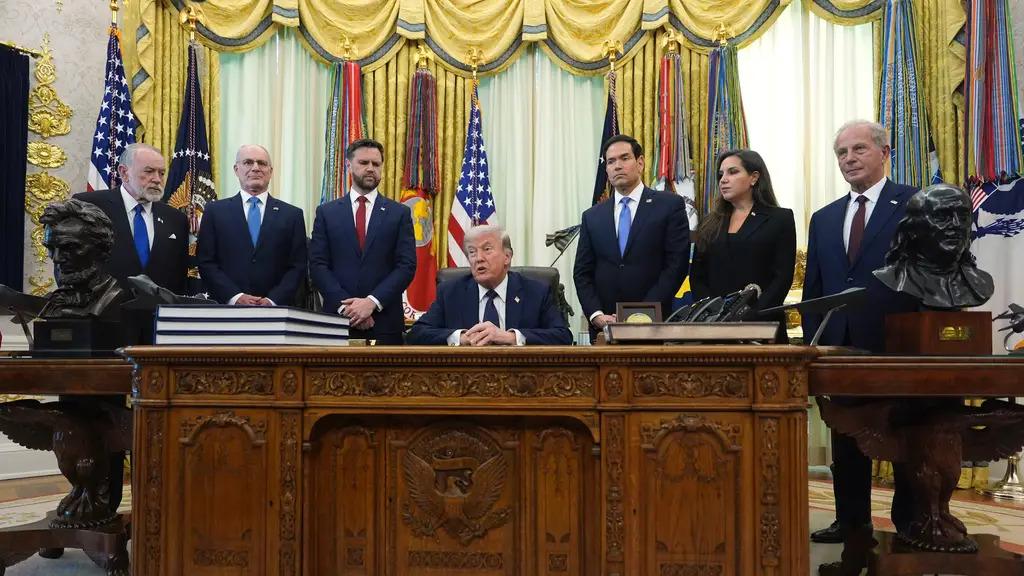
I’m talking about the provision in a bill before the US Congress that could tie the US and Israeli militaries far more closely together, deepening their co-operation on weapons research, production and technology.
For those who want to take a look, you’ll find it buried in the 2027 National Defense Authorization Act under section 224, entitled “United States-Israel Defense Technology Co-operation Initiative.”
Yes, it’s a bit of a mouthful and yes the bill too must first clear the House Armed Services Committee, which is due to take it up early this month, and then pass the full House and the Senate.
But should that happen, then the provision, according to the foreign policy think tank the Quincy Institute for Responsible Statecraft, would, arguably, “do more to intertwine the US military with the Israeli military than the more than $300 billion (inflation-adjusted) in military assistance Israel has received from the US since its founding in 1948.”
READ MORE: I have no plans to meet Donald Trump during World Cup trip, says John Swinney
TO put this another way, if fully enacted, section 224 would provide a higher level of integration of the military industrial complex than the US has with any other country in the world, tying it to Israel more than ever before.
It would mean the co-production of weapons, the linking of military systems and data, licensing agreements and joint ventures of all kinds. The bill would also extend US-Israeli collaboration into many more areas of modern warfare, from artificial intelligence to drones and cyber-operations.
To those who say, well, it’s always been thus, yes, that’s true, but this would take that military co-operation into a perilous new realm.
In a nutshell, if fully implemented, it would mark a significant change in one of the world’s closest military relationships, shifting the two countries from a partnership centred largely on US military support, towards one in which their defence industries are more deeply intertwined.
As the Quincy Institute brief on the bill, authored by researcher Steven Simon, rightly points out, all this means “the first step towards shifting aid further into the shadows”.
“The shift will strip away the political and diplomatic oversight mechanisms that make the relationship publicly accountable, moving it from a visible annual aid vote into the opaque machinery of defence acquisition, where oversight is limited and political accountability is minimal,” Simon wrote.
To say that the timing of the proposal is particularly contentious would be an understatement.
In a world already bereft of geopolitical oversight and accountability, in which the Israeli military has repeatedly used US weapons in strikes that have violated international humanitarian laws in Gaza, Lebanon and Iran, the dangers here for the future are obvious.
It’s also worth bearing in mind that the Trump administration’s efforts to push this bill through fly in the face of an American public that polls in recent months have shown now have unprecedented levels of distrust in the Israeli government – as they do with Trump’s war in Iran.
Three months on from the start of that war, Trump and Netanyahu might be having a bit of a barney as to how to bring the conflicts in Iran and Lebanon to a close.
But let’s not be deceived by the significance of this week’s quarrel, for at root the US and Israel continue their “special” relationship.
The devil in the detail of their proposed future military “pact” makes that abundantly clear.


Share